Invasive and non-native species of the Aura River Valley
Nature is never completely stable, as many different factors continuously influence the environment and its species. One of the biggest influences is, of course, humans. Humans have affected the nature of the Aura River Valley in many ways. One example of human impact is the area’s invasive species. Invasive species are considered one of the main causes of global biodiversity loss.
Invasive species are organisms that have spread to new areas due to human influence, where they do not naturally occur. Humans have spread species both intentionally and unintentionally. For example, certain plant species have spread from gardens into the wild. A good example of this is the showy lupine growing along roadsides. The mink and the raccoon dog have spread into Finland’s nature from fur farms. If invasive species are found to be sufficiently harmful to other species in the area, they are classified as harmful invasive species. These species can, for example, take space from native species and even displace them entirely. Harmful invasive species are tackled through many methods, and the Aura River Foundation also works to remove them from the Aura River Valley. Volunteer efforts and active local residents play an essential role in invasive species control.
Sometimes defining an invasive species as harmful is a slow process, as it requires extensive research and the classification criteria are strict. For example, the aggressively spreading yellow floating heart in the Aura River has not yet been placed on the official list of harmful species, even though it is known to cause problems in water bodies. The plant particularly disrupts recreational use by causing overgrowth and eutrophication of the water system.
However, not all invasive species are harmful. For example, the sympathetic and well-liked garden visitor, the hedgehog, is technically an invasive species. Nevertheless, the hedgehog has found its place in Finland’s nature and does not threaten native species or cause economic or health-related harm. Hedgehogs are, in fact, protected in Finland.
Non-native species are organisms that have spread to new areas without human influence. For example, climate change has enabled some species to expand into new regions. In Finland, species such as the European hare and the Canada goose are non-native species that can also be found in the Aura River Valley. No control measures are directed at non-native species, as their spread is considered a natural ecological change and often a necessary form of adaptation to environmental changes.
For more information about Finland’s invasive species, how to identify them, and how they are managed, you can read more here. The service also allows you to report your own observations of invasive species.
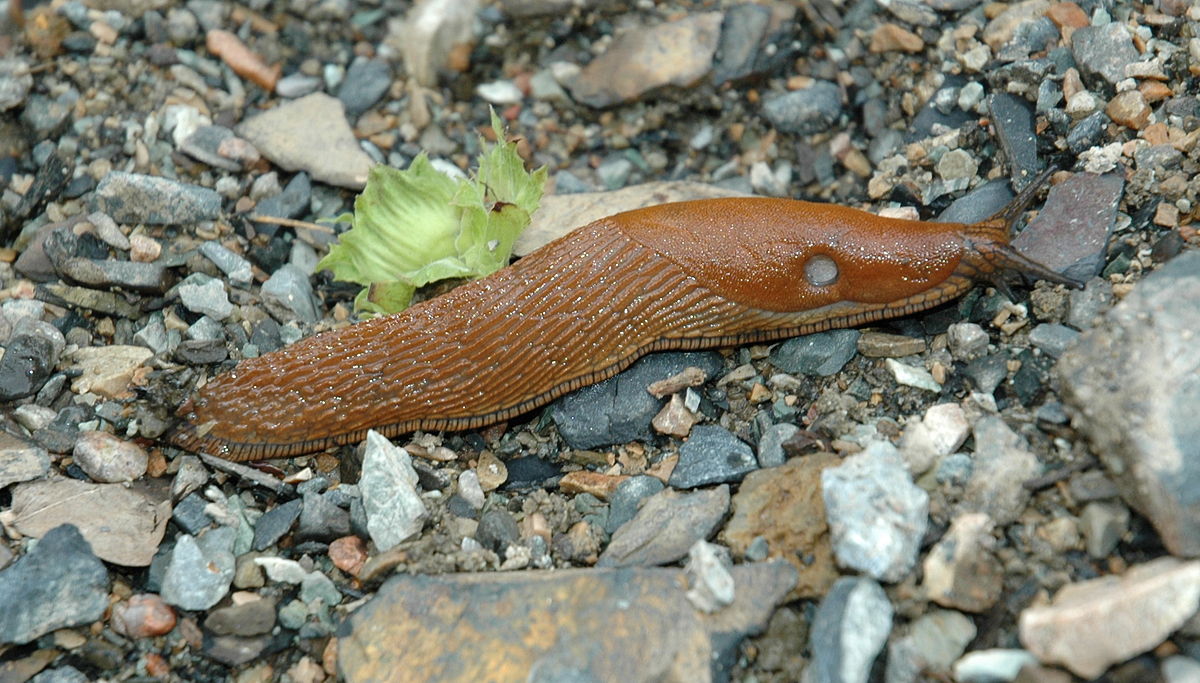
Spanish slug (Arion vulgaris)
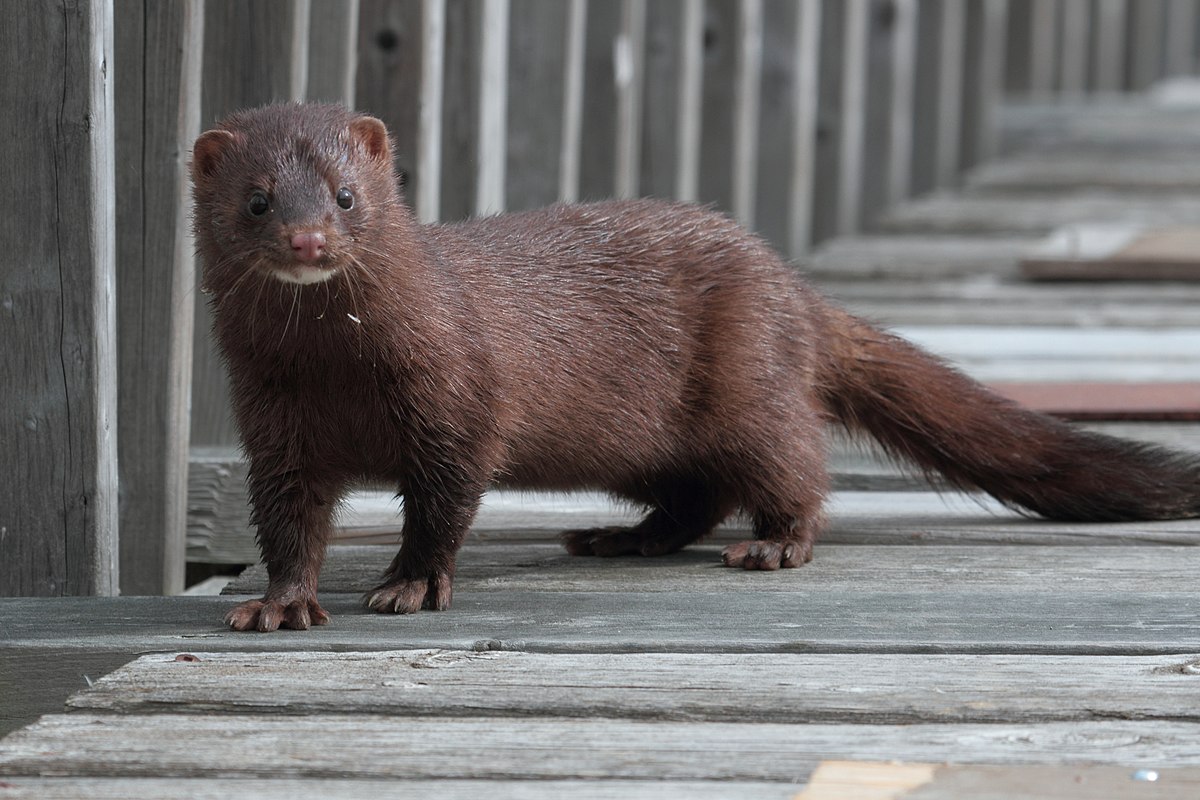
Mink (Neovison vison)
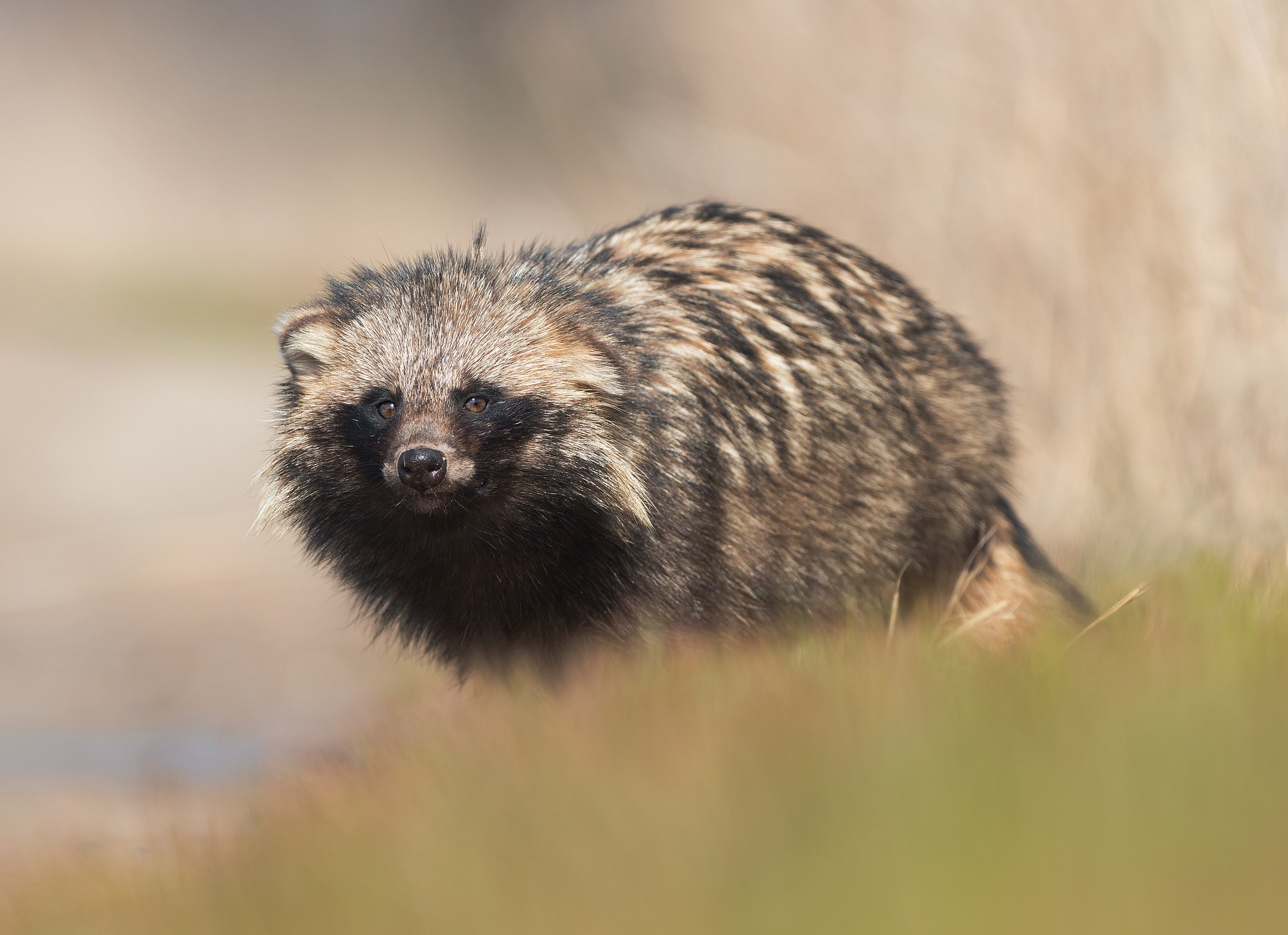
Raccoon dog (Nyctereutes procyonoides)
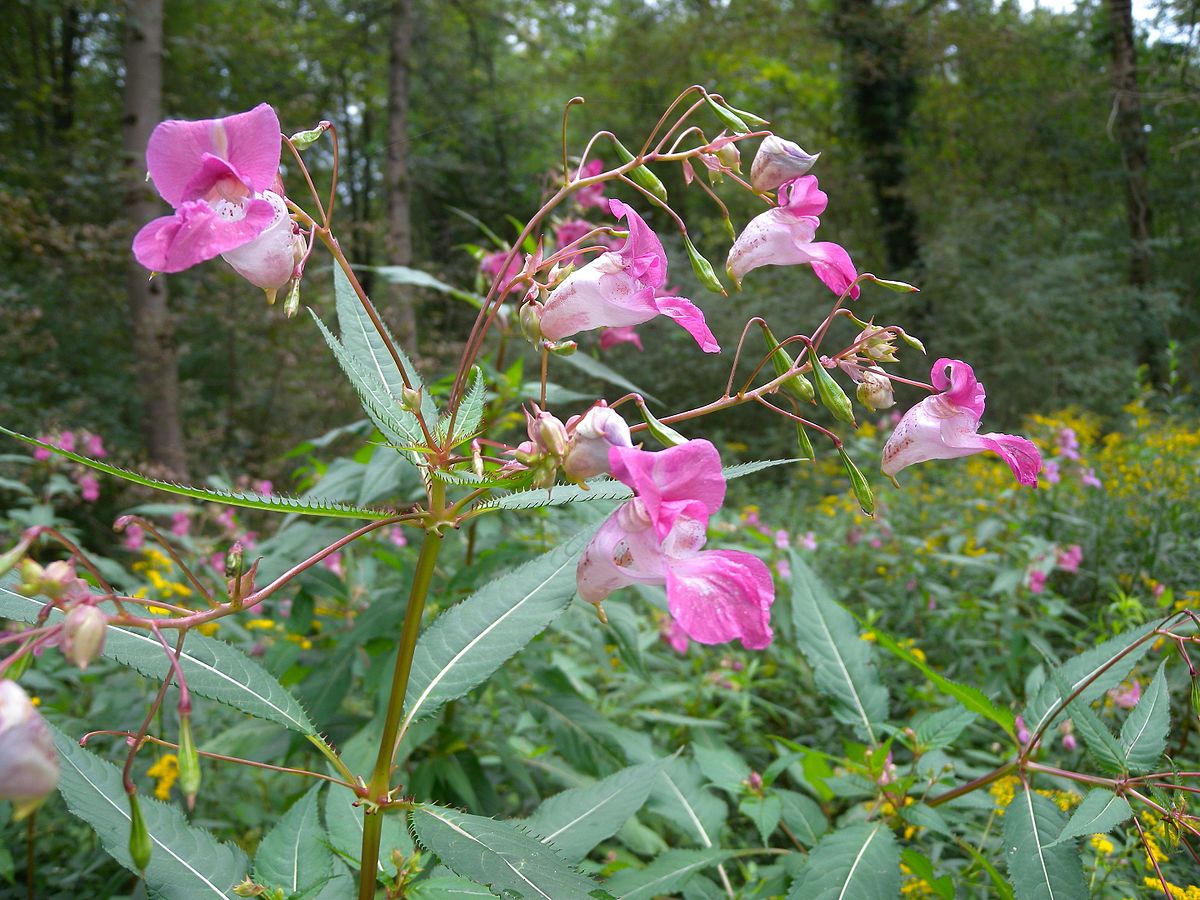
Himalayan balsam (Impatiens glandulifera)

Giant hogweed (Heracleum mantegazzianum)
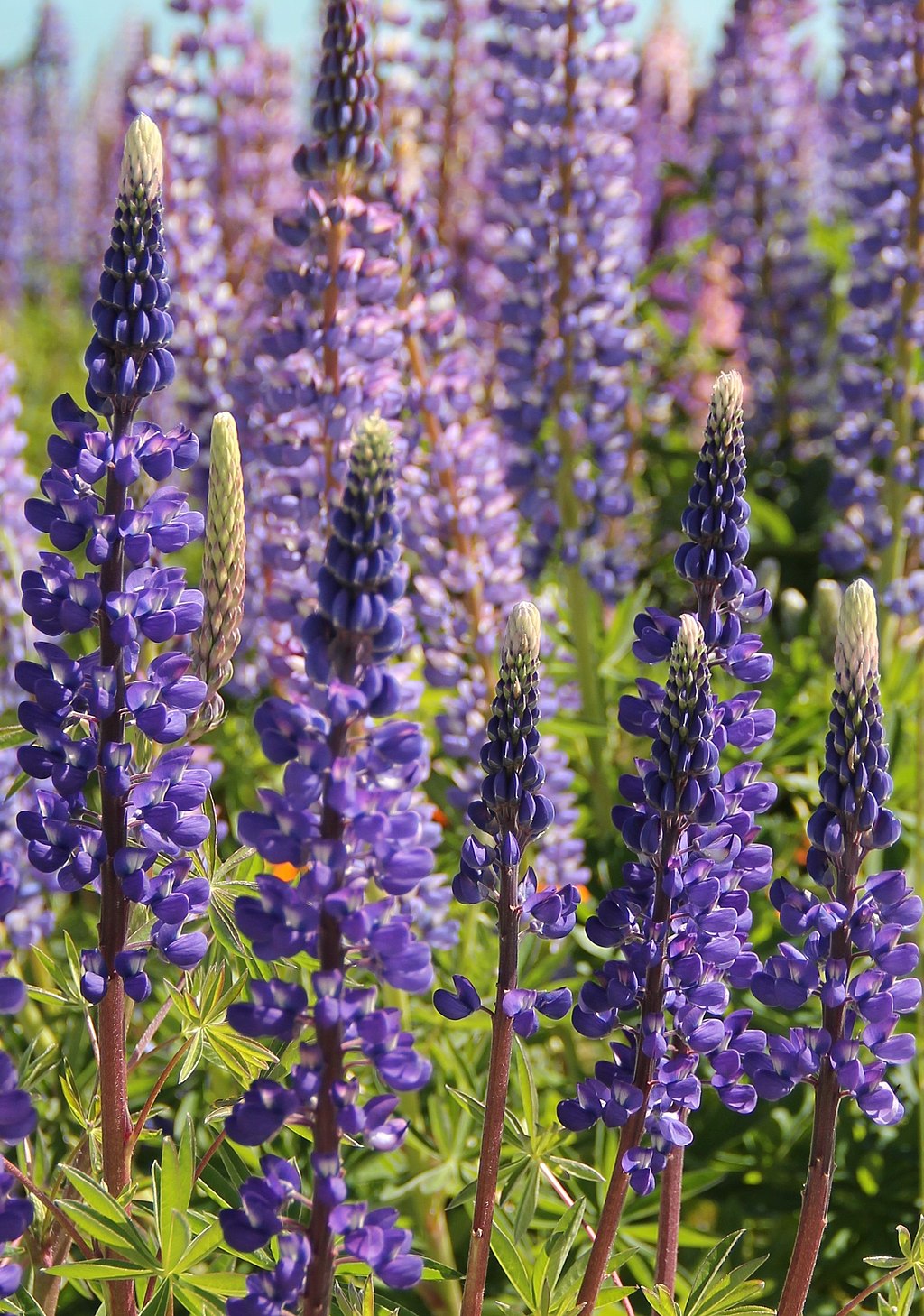
Showy lupine (Lupinus polyphyllus)
Image sources: Spanish slug, mink, raccoon dog, Himalayan balsam, giant hogweed, showy lupine
Cover image: Suvi Hakulinen, Aura River Foundation