
Mammals of the Aura River Valley
Mammals are often the first group that comes to mind when we talk about animals. No wonder, as we are mammals ourselves. Perhaps that is why we often find mammals cute and consider identifying them relatively easy.
The largest mammals in the Aura River Valley are the cervids. In the valley, you can encounter at least the roe deer, the white-tailed deer, and the moose. Of these, the roe deer is clearly the smallest and the moose the largest. For those out in nature, it can be difficult to get close to the valley’s cervids, as they have excellent hearing and a keen sense of smell, which allow them to detect an approaching human from afar. The best time to spot deer is in the early mornings and dusk of summer, when they are most active and emerge from the forest to feed in fields and meadows.
The Aura River Valley is home to several small and medium-sized mammals, such as mice and rats, voles, hedgehog, brown hare, forest hare, squirrel, and its rarer relative, the flying squirrel. Many of these shy mammals are difficult to spot, and their presence is often detected through tracks and droppings. The golden-brown droppings of the flying squirrel often reveal its nesting site. Forests inhabited by flying squirrels are protected whenever possible, as the species is endangered due to the decline of old-growth forests.
Predators play a role in keeping other animal populations in balance. Large predators are not regularly seen in the Aura River Valley, but several small predators and omnivores do live in the area. Finland’s most common small predator, the fox, is omnivorous. It feeds on voles, animal carcasses, insects, and plants. Active at dusk, the fox may even be seen rummaging through rubbish bins, as it is well adapted to living near humans. In winter, fox tracks are easy to recognize, forming a neat line in the snow. Other small predators in the area include the otter and the badger, as well as invasive species such as the mink and the raccoon dog. The badger and raccoon dog hibernate in winter, so spotting them during that season is unlikely. However, the raccoon dog may remain active throughout mild winters. One way to detect otters is by finding their “sliding tracks” on snowy slopes. Spotting the weasel requires some luck, as it changes its protective coloration by season, moves quickly between hiding places, and is also an adept swimmer.
Did you know that the weasel is the smallest carnivorous mammal in the world?
Test your ability to distinguish the brown hare from the forest hare here.
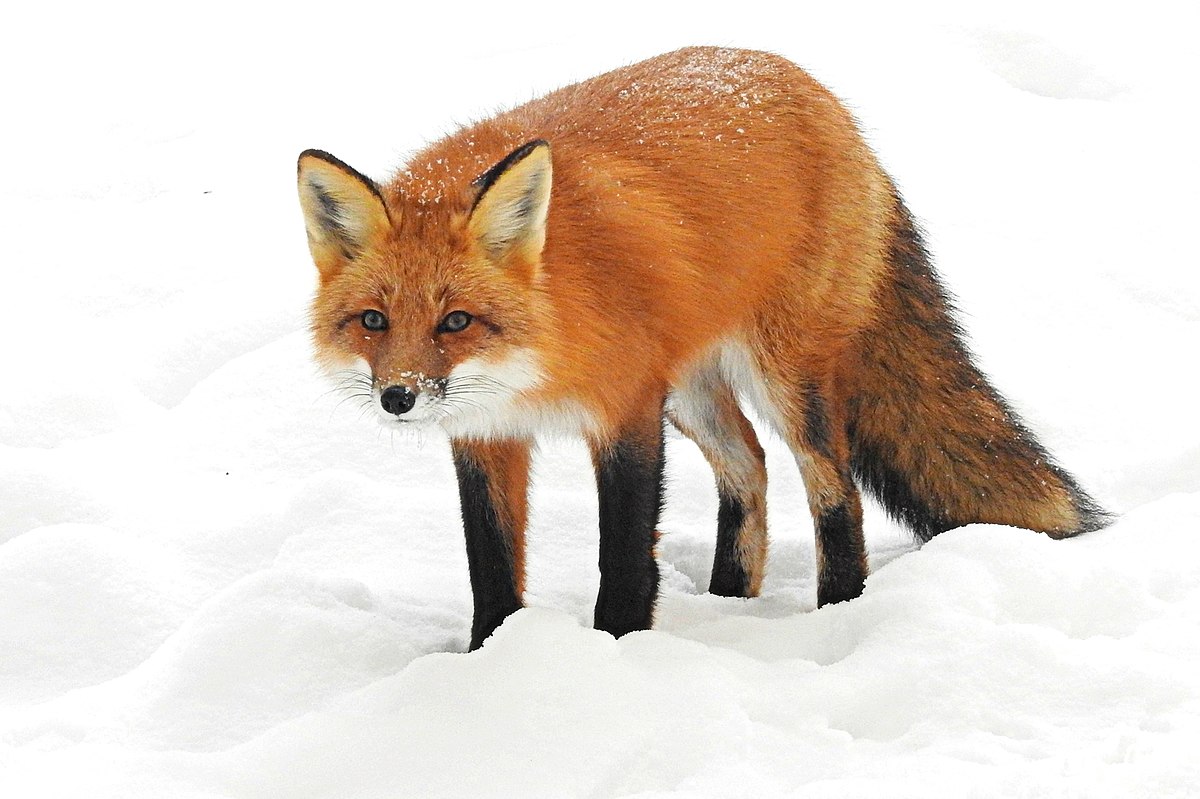
Fox

Moose
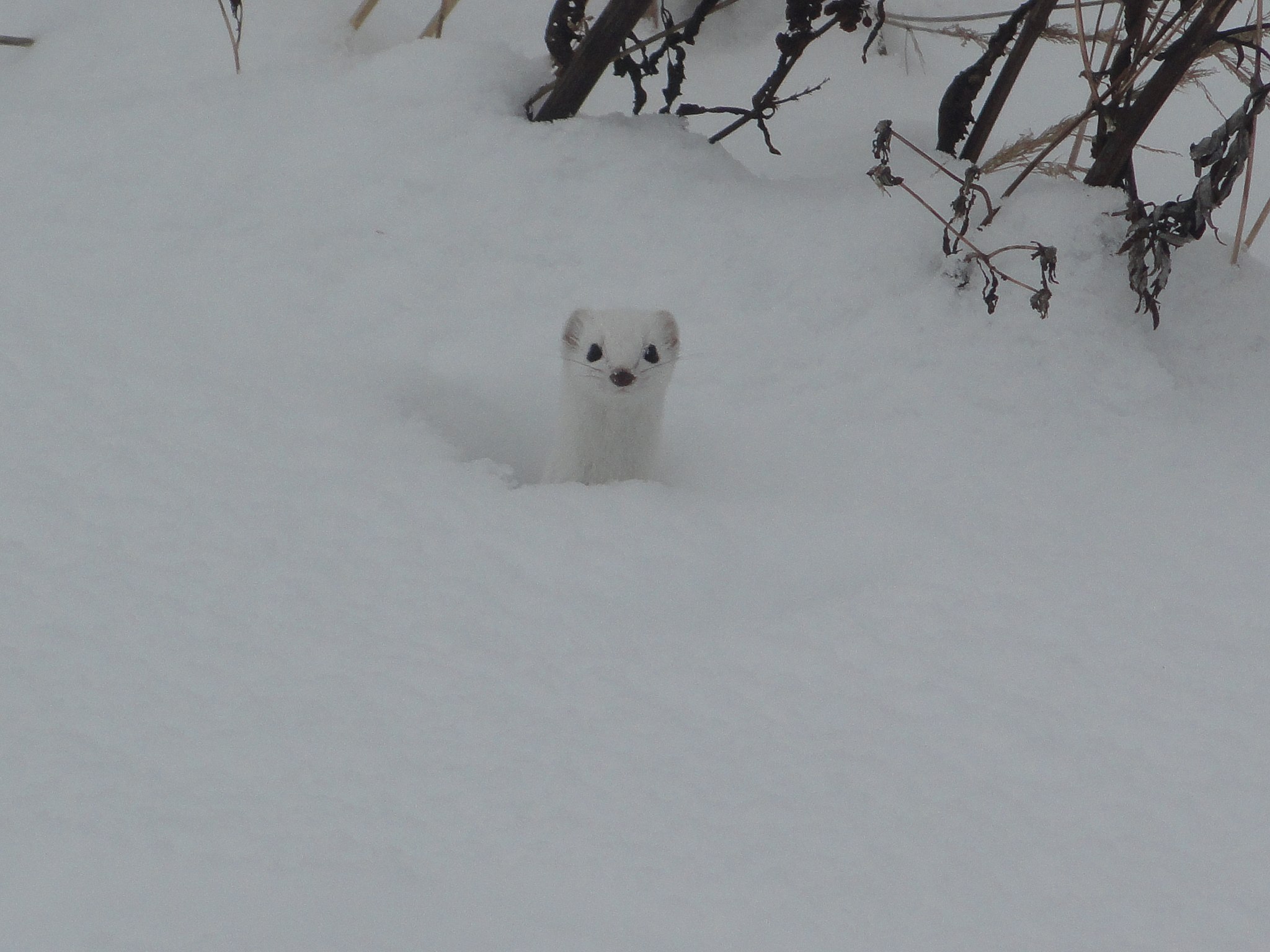
Weasel in winter
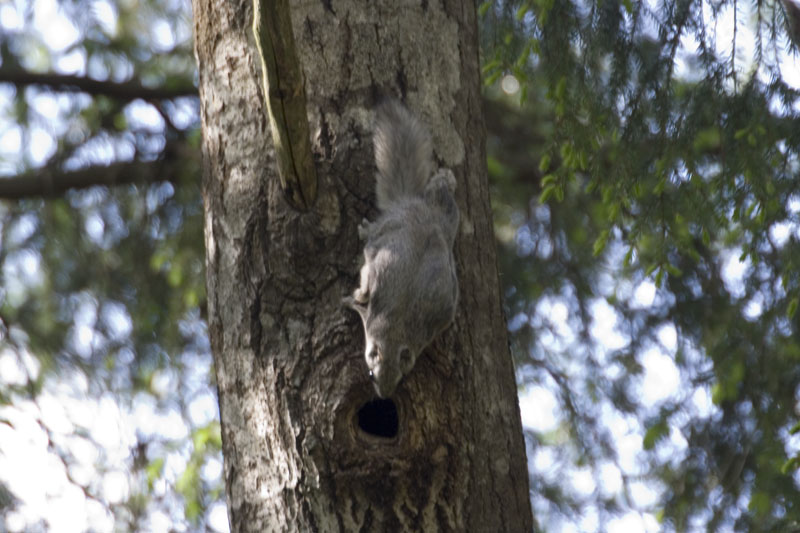
Flying squirrel
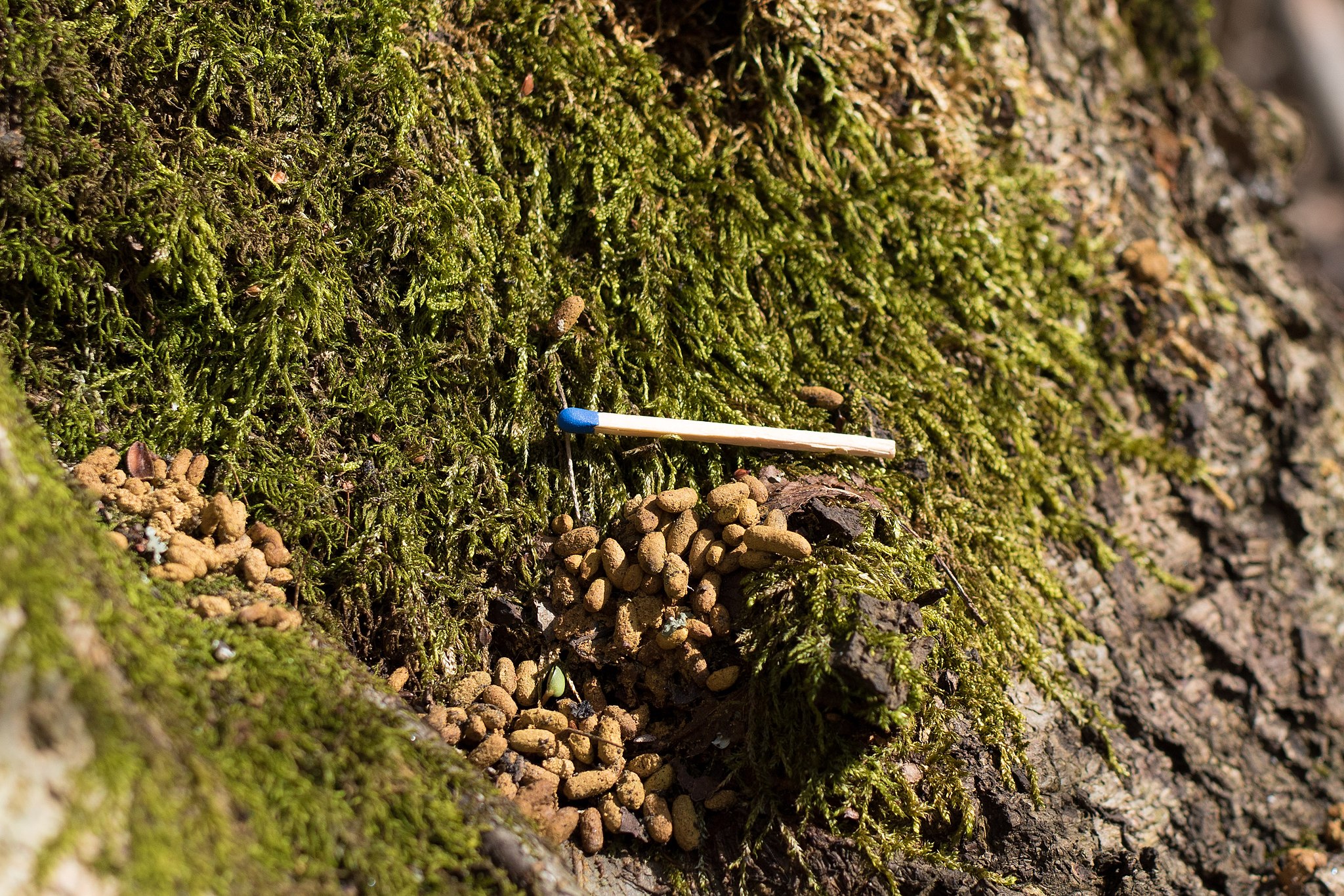
Flying squirrel droppings
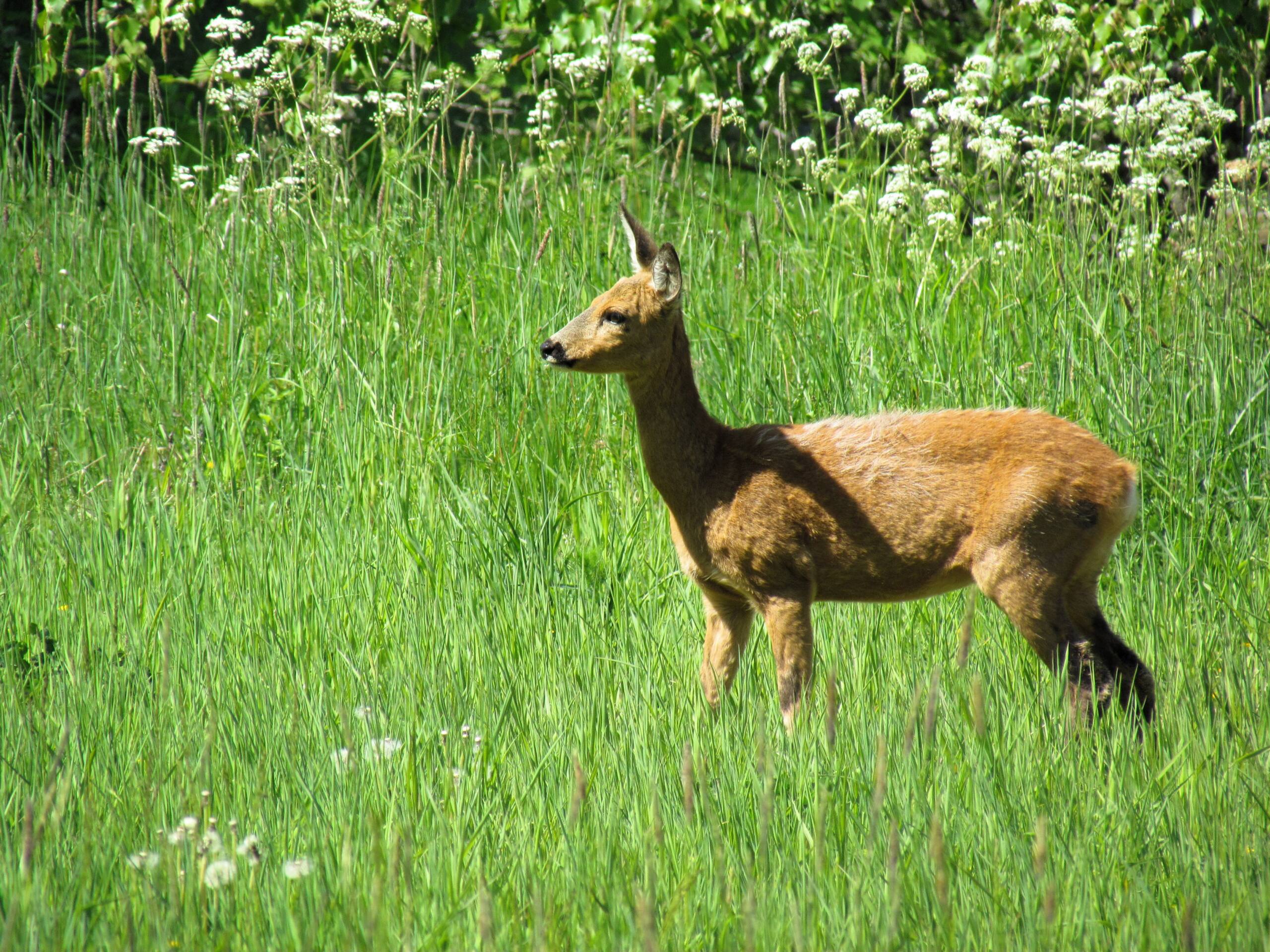
Roe deer
Image sources: roe deer (Otto Hölsö), moose, flying squirrel, flying squirrel droppings, fox, weasel in winter
Cover image: Otto Hölsö