Reptiles of the Aura River Valley
What just darted under the boardwalk? The Aura River Valley is home to at least four reptile species. The most common and abundant of these is the viviparous lizard, the northernmost reptile species in the world. Less commonly seen is the slow worm, a legless lizard often mistaken for a snake—its old Finnish name, “vaskikäärme,” even means “copper snake.” Both of mainland Finland’s snake species, the adder and the grass snake, are also found in the area.
The viviparous lizard is perhaps the easiest Finnish reptile to recognize. Its back is usually brownish with a slightly lighter underside, marked with dark and light stripes and spots. It can sometimes be confused with the sand lizard, an invasive species first observed in Southwest Finland in 2014. The slow worm, though legless, is easy to distinguish from snakes due to its lizard-like characteristics. Its name refers to its metallic sheen, which can resemble copper or brass in the right light.
Telling the adder and the grass snake apart can sometimes be difficult. The grass snake is typically blackish-grey or dark brown with yellow patches behind the head. The adder usually has a grey or reddish-brown base color with a distinctive zigzag pattern along its back. Both species, however, have colour variations—some grass snakes lack the yellow patches, and some adders lack the zigzag pattern. In such cases, the shape of the head helps: the adder has a more triangular, angular head, while the grass snake’s head is rounder. The shape of the pupils can also distinguish the species, though this requires getting close, which may not feel comfortable for everyone.
Cold-blooded reptiles are easiest to spot basking on boardwalks, rocks, or cliffs, where they warm themselves in the sun and are easier to see. They have a keen sense of vibration and can detect the footsteps of approaching humans from afar. The grass snake thrives near bodies of water and is an excellent swimmer. The adder prefers habitats such as the edges of wetlands, open rocky areas, clear-cut patches, fields, and meadows. Both snake species play an important role in maintaining ecological balance by preying on small mammals such as mice and voles. By eating small mammals, snakes also help reduce parasites such as ticks, which can be harmful to humans.
The adder is Finland’s only venomous snake. Although venomous, it is not aggressive toward humans. Both the adder and the grass snake prefer to flee rather than confront threats. Because venom is valuable to an adder, it uses it only as a last resort. The viviparous lizard has little means of defense and therefore relies on fleeing. When escaping, it can shed part of its tail, but this comes at a high cost—regrowing the tail requires considerable energy, and the new tail will never function as well as the original. Because of this, lizards should never be disturbed, as losing their tail may be fatal.
Did you know that Finland has a third snake species, the smooth snake? It has, however, only been observed in the Åland Islands. The smooth snake is Finland’s only constrictor species.
More information about Finland’s reptiles can be found here
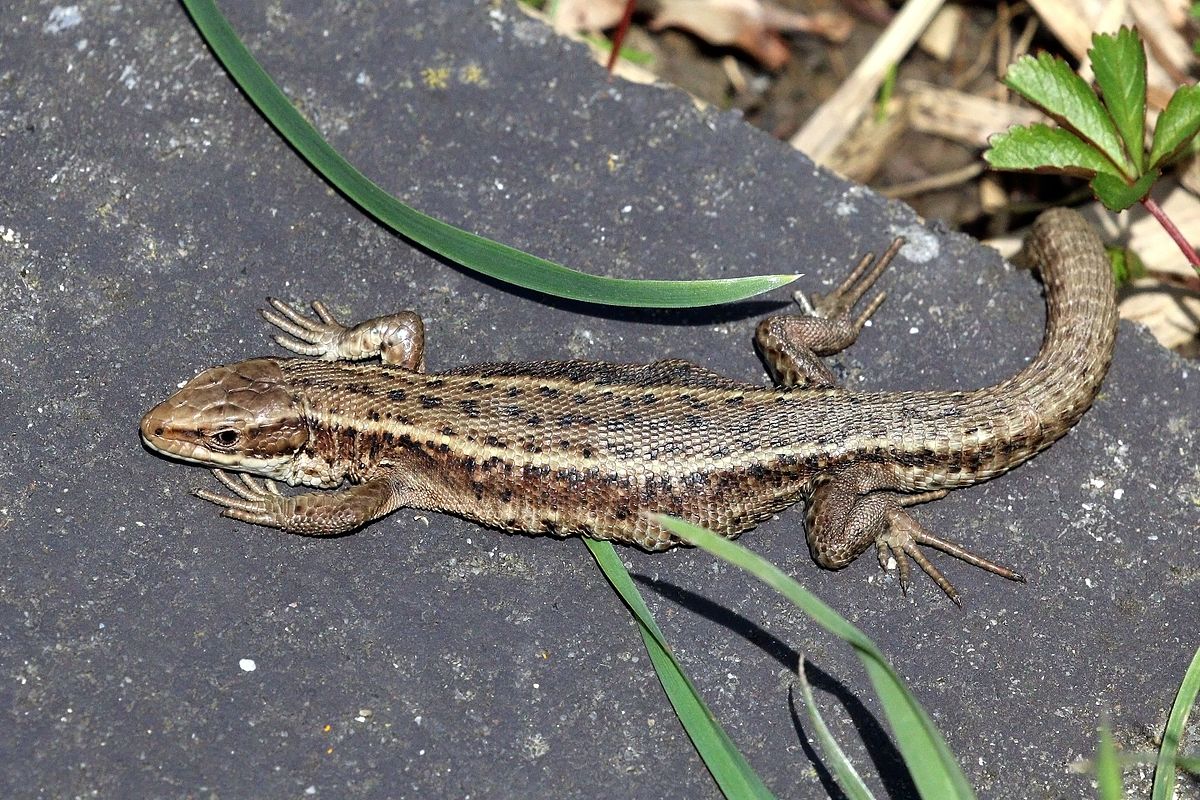
Viviparous lizard
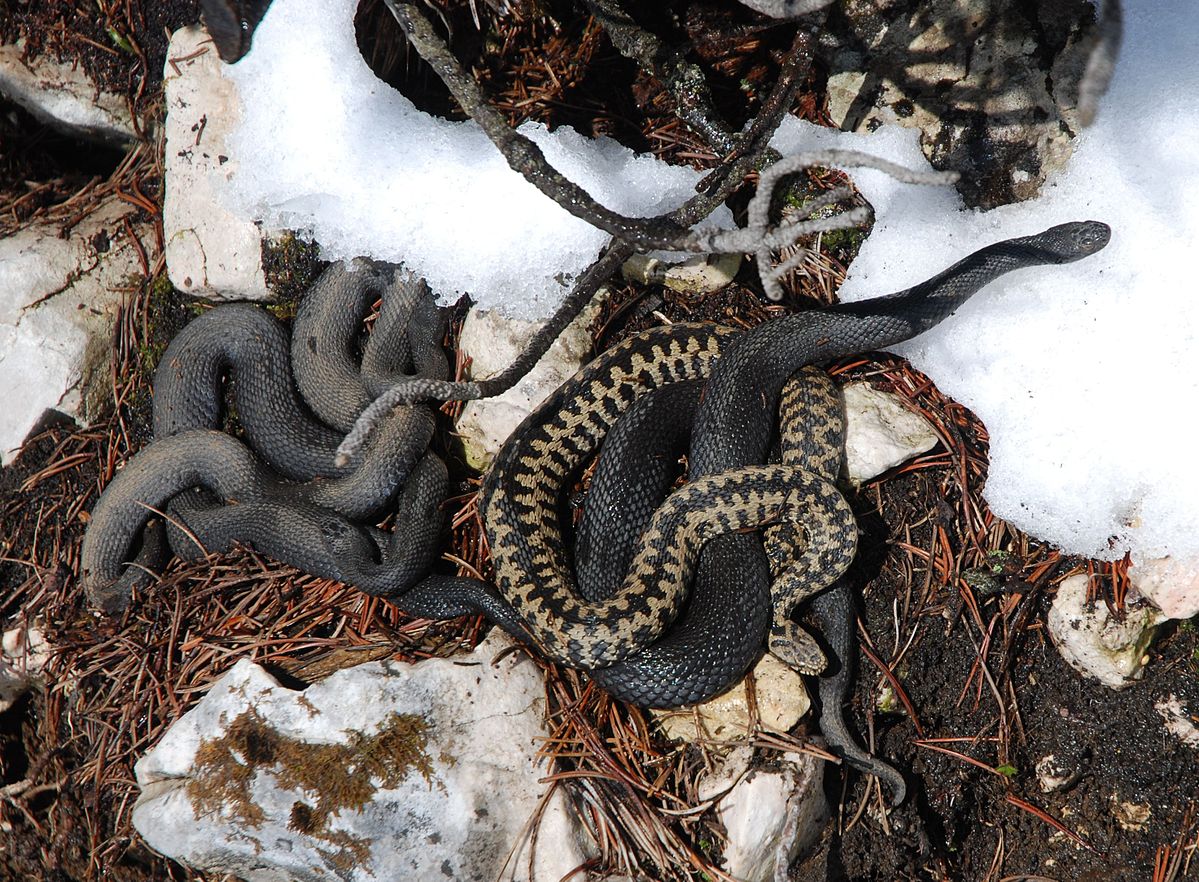
Adder
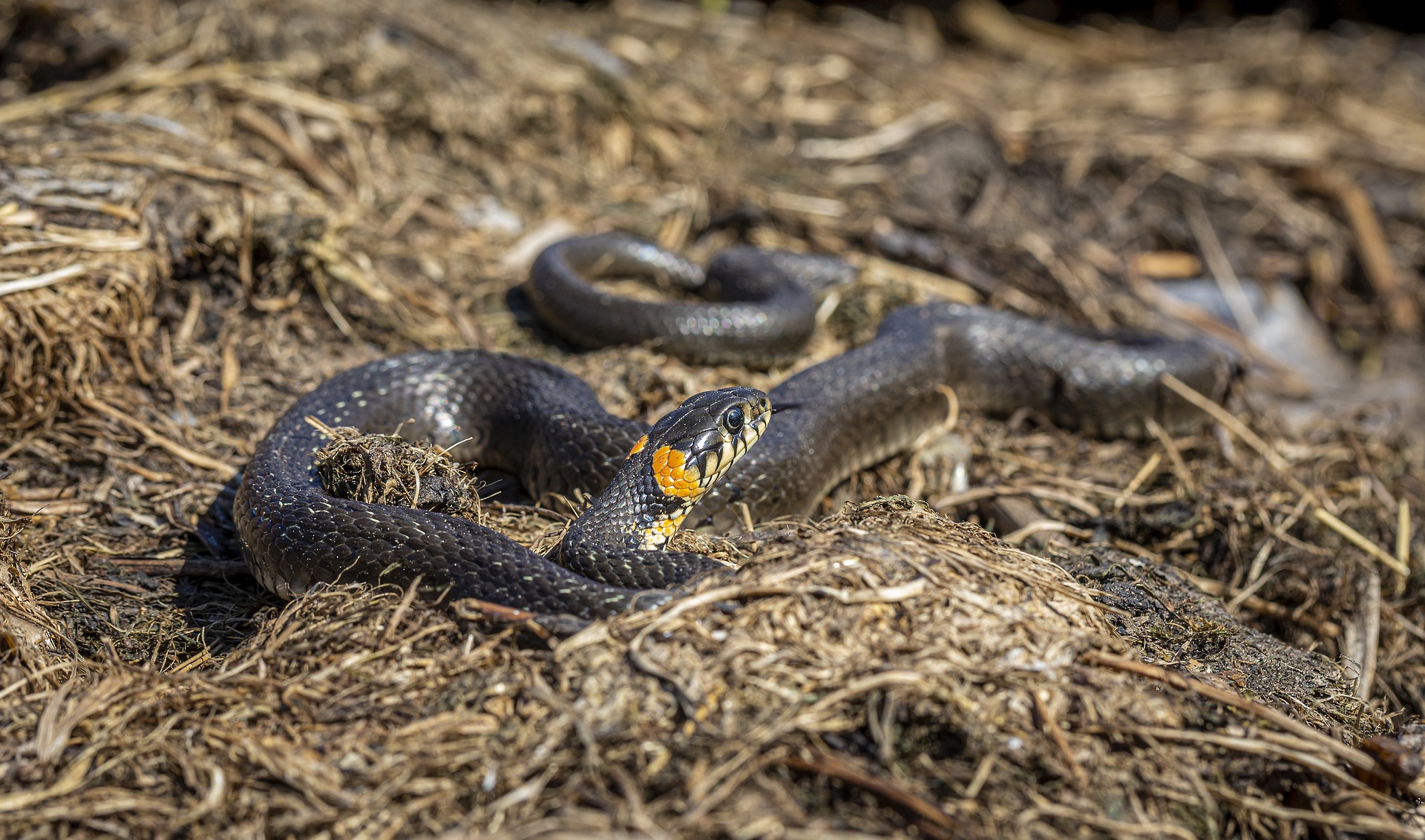
Grass snake
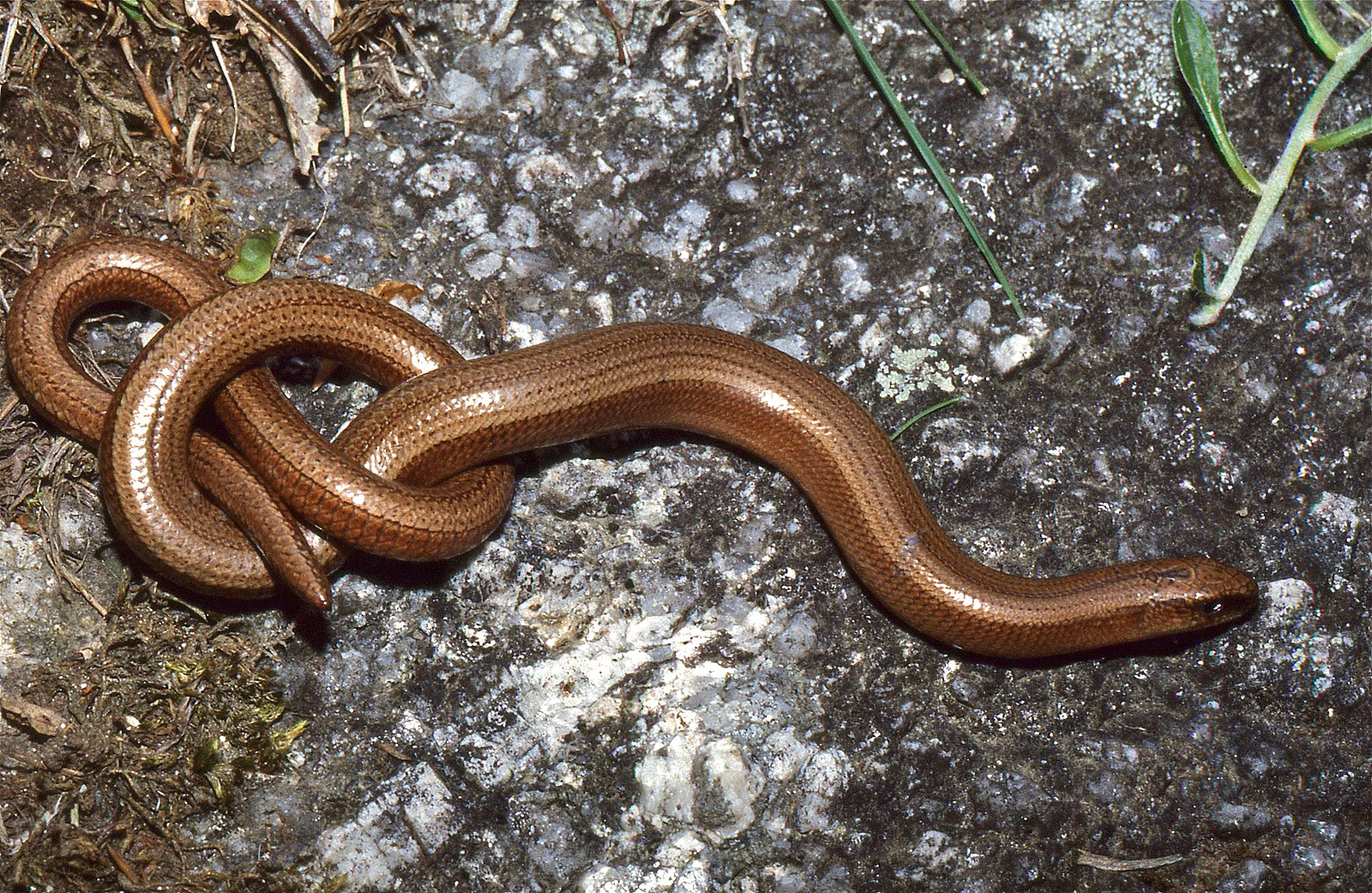
Slow worm
Image sources: viviparous lizard, adder, grass snake, slow worm

_(36258444582).jpg)
Cover image: Wikipedia
